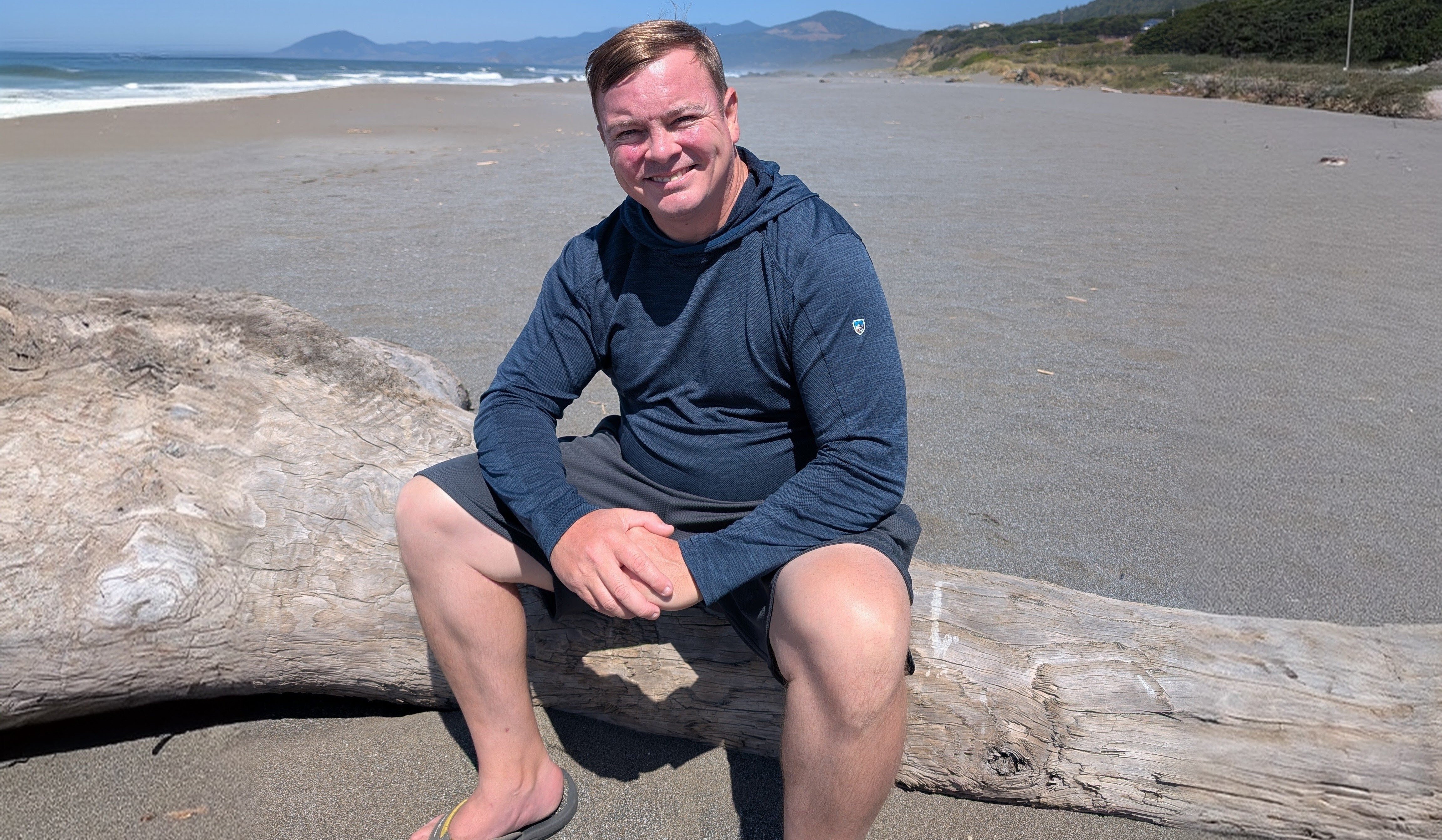
What’s your role at Ursa Health, and what do you do?
I'm a Data Integration Engineer at Ursa Health, working to support our analytics platform.
My role sits at the intersection of data engineering and healthcare domain expertise. I work extensively with complex payer data systems- things like claims files, pharmacy transactions, patient attribution data, and CMS reporting structures. Much of my work involves interpreting the nuances of healthcare data, such as understanding what the values in certain fields indicators mean, decoding adjustment reason codes, figuring out risk adjustment calculations, and making sense of the sometimes cryptic documentation that comes with healthcare datasets.
In practice, this means I spend a lot of time investigating data structures, validating interpretations, and ensuring our team correctly understands what we're looking at. Healthcare data is rarely straightforward. For example, a field might use non-standard codes, key terminology might be domain-specific, or the timing of data refreshes might create unexpected patterns. My job is to dig into these details, ask the right questions, and document what we learn so our analytics are built on solid ground.
Can you share a little about your background?
My path to healthcare data analytics has been anything but traditional. I went to school planning to become a police officer and at one point thought I'd end up as a federal agent, but somehow I found my way into health insurance instead.
I spent a significant portion of my career in program integrity, which meant I had to develop a deep understanding of how healthcare is actually paid in the United States, including all the complex rules, regulations, and nuances that govern claims processing and reimbursement. Over the years, I've worked with more than 100 healthcare payers across federal, state, and private sectors, which gave me exposure to the full spectrum of how different organizations handle healthcare data.
Technology and analytics have always come naturally to me. Most people would consider me a self-taught programmer, but I've never really seen it that way. I've just been fortunate to work alongside extremely talented people who were generous in sharing their knowledge, whether that was technical skills or domain expertise in healthcare data. That collaborative learning approach has shaped how I work today- always asking questions, always trying to understand the "why" behind the data, and always appreciating that there's more to learn from the people around me.
What do you find to be the best part about working with Ursa Health?
First, the depth of knowledge here is truly exceptional. I've been fortunate to work with a lot of knowledgeable people throughout my career, but the expertise at Ursa is on another level. Even after more than 20 years in healthcare, I've learned a tremendous amount in the relatively short time I've been here. Being surrounded by people who really understand the complexities of healthcare data and are passionate about solving hard problems has been incredibly rewarding.
Second, the flexibility Ursa offers has been invaluable for my family life. I have two young daughters and being able to balance getting my work done while also making it to those "I wish I could be there" moments in my kids' lives means everything to me. Having a company that supports that balance has made a real difference, and I don't take that for granted.
What is the one thing people are surprised to learn about you?
Even though I love technology and spend my workdays deep in data, I prefer to spend most of my free time away from screens. I'm fortunate to live in the Oregon High Desert, and there's no shortage of trails to explore or new outdoor recreation to try. After spending hours analyzing healthcare data or optimizing queries, there's nothing better than getting outside and disconnecting for a while.